





Welcome to your Aesthetic Clinic
Give yourself a moment to take care of your appearance and your well-being in one of the most modern clinics in the world and its luxurious, discreet and calm setting.
Benefit from a holistic and completely personalized approach thanks to the expertise and support of the world’s best aesthetic specialists.
Close this parenthesis out of time by returning to your daily life with a newfound serenity.
Your beauty is harmonious, natural, sublimated without anyone being able to suspect the aesthetic intervention.
A complete offer
Surgery
Aesthetics
Health
Beauty
Medicine
Aesthetics
Esthetics
Dental
Medicine
anti-aging
Cosmetics
A Claimed Holistic Approach
A unique experience
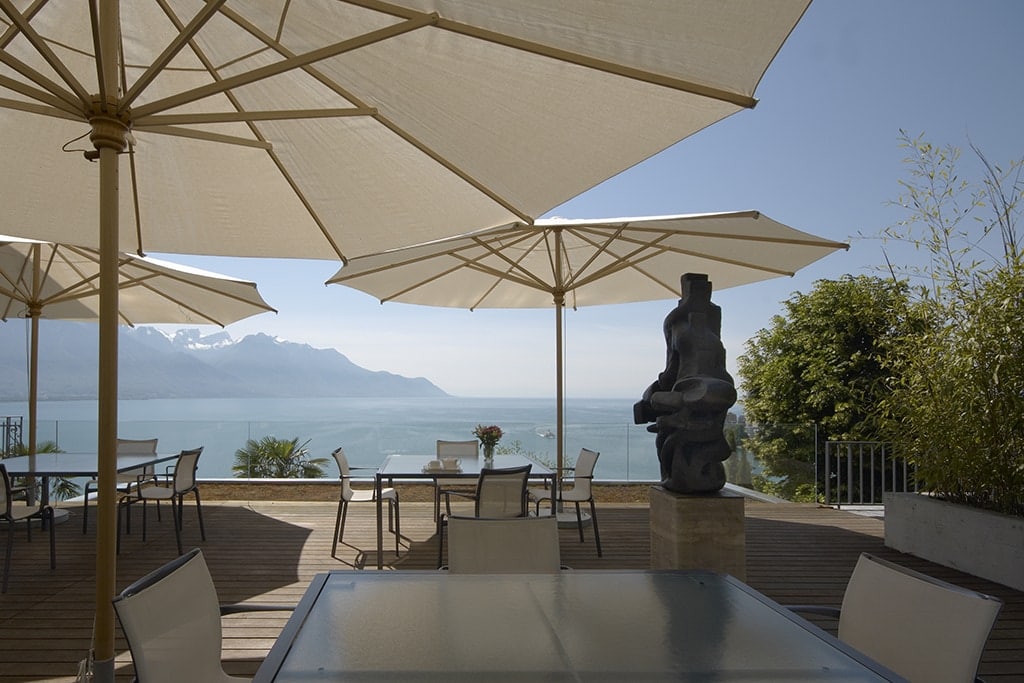
Experience an exceptional stay
Discreetly away from the hustle and bustle of everyday life, enjoy a unique interlude dedicated to your beauty and well-being.
Meet our experts
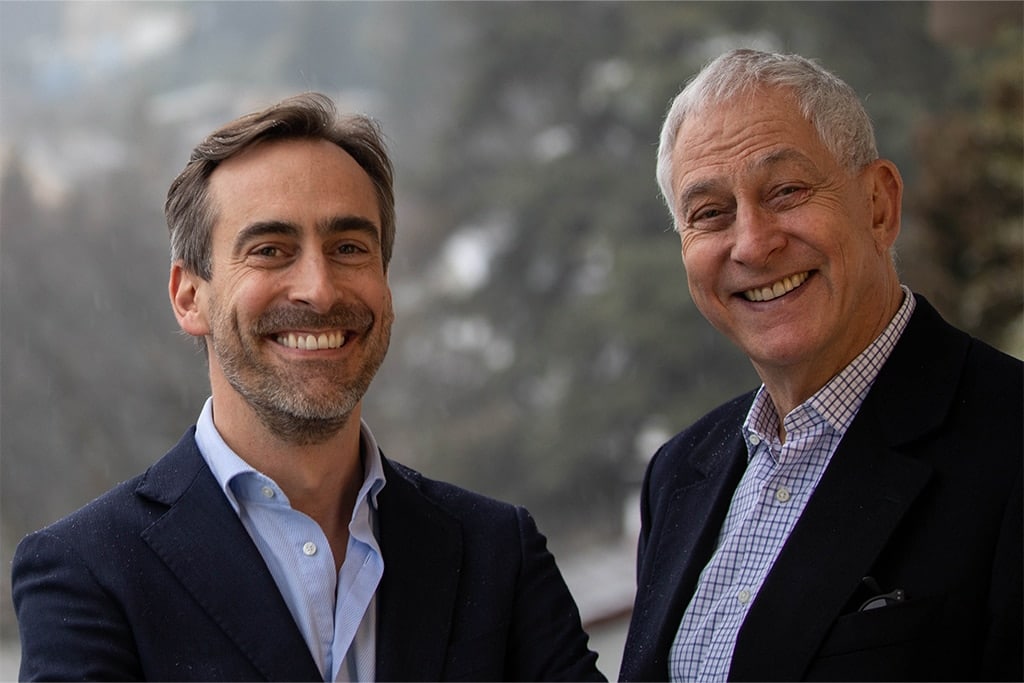
Whatever your request, our experts will find the right answer, tailor-made to meet your most demanding requirements.








Cosmetics inspired by aesthetic medicine
Before and after pictures
Lifting visage
Lifting visage
Bodylift
Gynécomastie
Liposuccion du cou
Abdominoplastie
Augmentation mammaire
Blépharoplastie
Augmentation mammaire
Lifting visage
Liposuccion haute définition
Lifting visage
Augmentation mammaire
Correction de ptose mammaire
Lifting visage
Lifting visage
Augmentation mammaire
Augmentation mammaire
Ultherapy
Rhinoplastie
Lifting visage
Filler acide hyaluronique cernes
Abdominoplastie
Lifting visage
Correction de ptose mammaire
Lifting visage
Correction de ptose mammaire
Blépharoplastie
Rhinoplastie
Lifting visage


Would you like more information or the opinion of a professional?
We look forward to hearing from you. We'll be happy to answer any questions you may have.
The Mag of LaClinic Montreux
Laclinic news, the latest trends and techniques in the Aesthetics and Beauty universe.
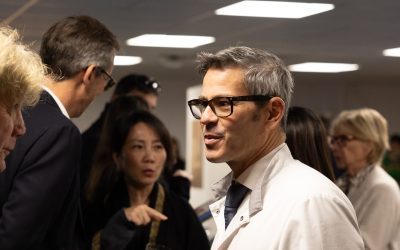
At the Heart of Laclinic-Montreux: The Swiss Riviera Aesthetic Clinic Unveils Itself
A Look Back at the Open Day On Saturday, November 22, 2025, Laclinic-Montreux welcomed its guests for an open day focused on exchange, discovery, and medical excellence. The beautiful weather and mild afternoon contributed to creating a particularly pleasant...

Deep Plane Facelift: the Facelift Revolutionizing Aesthetic Surgery
The Deep Plane Facelift is now established as the absolute benchmark in facial rejuvenation. This deep plane facelift technique, performed by highly specialized surgeons, offers remarkably natural results, far removed from the "pulled" look sometimes associated with...

Open House
We are pleased to invite you to our open house, which will take place on Saturday, November 22, 2025, from 1 PM to 4 PM. The program includes: conferences, guided tours, an aperitif…